

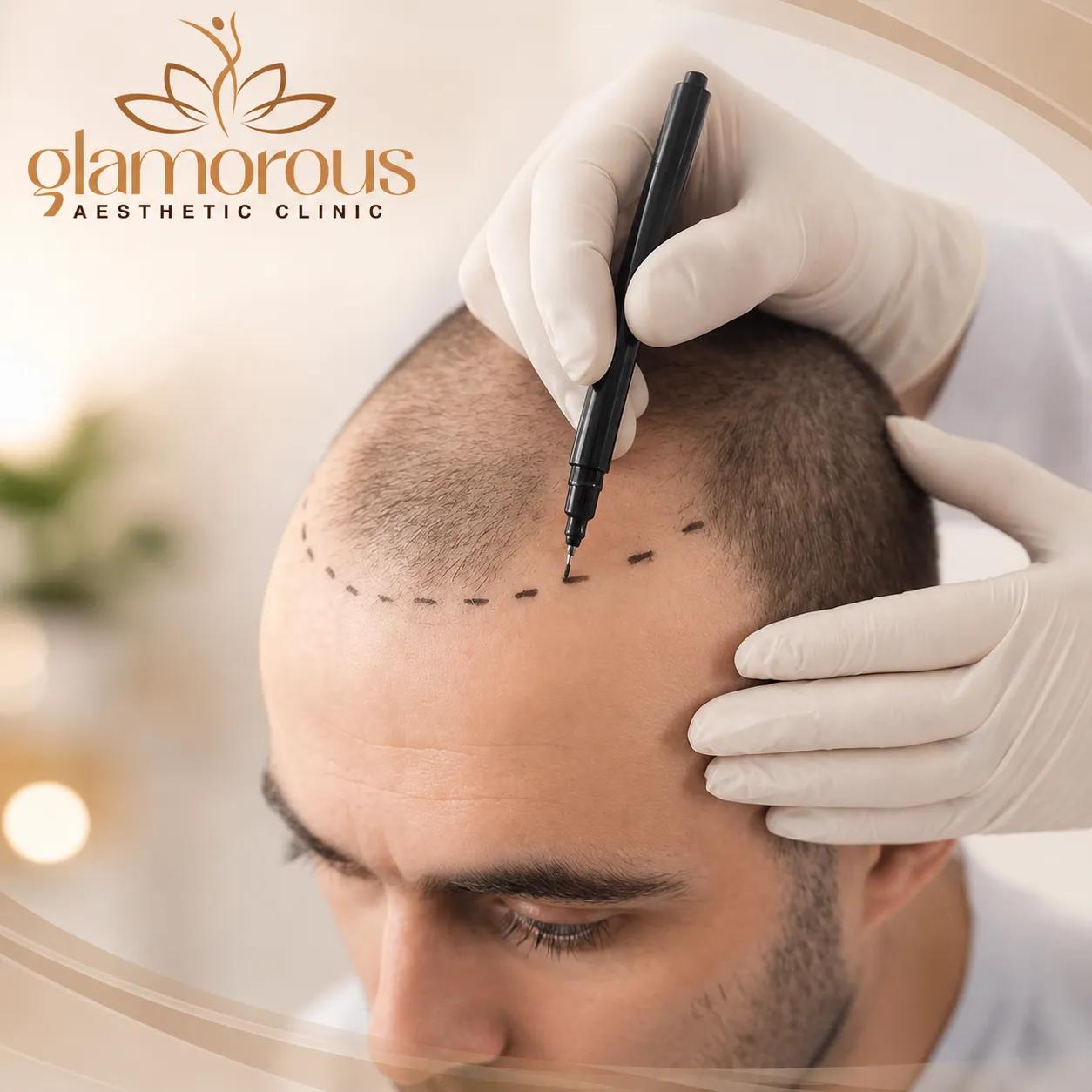
Hair loss affects confidence, appearance, and the way many people feel about themselves. No two people experience it in exactly the same way, which is why a one-size-fits-all solution rarely works. For anyone considering a Hair Transplant in Islamabad , choosing a clinic that evaluates each case individually can make a meaningful difference. At Glamorous Aesthetic Clinic Islamabad, hair restoration begins with understanding the person, not just the pattern of loss.
Why Hair Restoration Needs a Personal Approach?
Hair loss has many causes. Genetics, hormonal changes, stress, nutritional gaps, scalp conditions, and certain medical issues can all play a role. Two people with similar-looking thinning may need completely different plans because the underlying reasons differ.A personalized approach recognizes this. Instead of applying a standard procedure to everyone, the clinical team studies the scalp, the pattern of loss, the quality of the available donor hair, and the patient’s expectations. This helps set realistic goals and avoids treatments that may not suit the individual.
The First Step: A Detailed Consultation
Every restoration journey at Glamorous Aesthetic Clinic starts with a one-on-one consultation. This is a conversation, not a sales pitch. The specialist asks about when the hair loss began, how it has progressed, family history, previous treatments, and daily habits that may affect hair health.
During this visit, the scalp is examined closely. The team looks at:
The density and thickness of existing hair
The areas affected by thinning or baldness
The strength and availability of donor hair at the back and sides of the scalp
Any scalp concerns that may need attention before treatment
Patients are encouraged to ask questions and share what they hope to achieve. Some want to rebuild a receding hairline, while others want to improve crown density or add coverage to thinning areas. Clear communication at this stage shapes everything that follows.
Understanding Donor Hair and Planning
One of the most important factors in any transplant is the donor area. Hair taken from the back and sides of the head is generally more resistant to the hormonal effects that cause pattern baldness, which is why it is commonly used for restoration.The team evaluates how much donor hair is available and plans how it can be distributed to achieve a balanced result. A good plan considers not only the present situation but also how hair loss may progress over the years. Placing grafts without thinking about the future can lead to an unnatural look later, so long-term planning is part of the process.
Matching the Technique to the Patient
Different restoration methods exist, and the right choice depends on individual needs. Follicular Unit Extraction (FUE) is a widely used technique in which individual follicles are taken from the donor area and placed into the thinning or balding areas. It avoids a linear scar and is often chosen by people who prefer to wear their hair short.Other cases may call for supportive treatments alongside or instead of a transplant, particularly when hair loss is at an early stage. The specialist explains the available options, what each involves, and which one appears most suitable. Patients are never expected to decide on the spot. Having time to understand the choices leads to better, more confident decisions.
What to Expect During the Procedure?
Knowing what happens on the day helps ease nerves. Before the procedure begins, the treatment area is prepared and local anesthesia is used to keep the patient comfortable. The extraction and placement steps are carried out carefully, and the team monitors comfort throughout.The length of the procedure depends on how many grafts are needed. Most patients can return home the same day, following the instructions they are given. Clear written and verbal guidance is provided so that patients know exactly how to care for the scalp afterward.
Recovery and Aftercare
Recovery is a gradual process, and patience is important. In the first days after treatment, mild redness, swelling, or small scabs may appear in the treated areas. These usually settle with proper care. Patients are advised on gentle washing, sleeping positions, avoiding strenuous activity for a period, and protecting the scalp from sun exposure.It is also normal for transplanted hairs to shed within the first few weeks. This is part of the natural cycle, and new growth typically begins in the following months. Visible improvement develops slowly, and final results are usually assessed over many months. Anyone who expects overnight change should be prepared for this timeline.Follow-up visits allow the team to check progress, answer concerns, and adjust care if needed. Ongoing support is an important part of a personalized plan.
Results Depend on Individual Factors
Honest expectations matter. Outcomes vary depending on donor hair quality, the extent of hair loss, scalp health, age, and how well aftercare instructions are followed. No clinic can promise identical results for everyone, and patients should be cautious of anyone who does. What a well-planned restoration can offer is a more balanced appearance and improved coverage that looks natural when designed with care.Lifestyle also supports results. A balanced diet, managing stress, avoiding harsh hair treatments, and not smoking all contribute to healthier hair and scalp conditions over time.
Choosing the Right Clinic
Selecting where to have a procedure is as important as choosing the procedure itself. Patients should look for a clinic that offers a proper consultation, explains risks and limitations openly, uses sterile and professional facilities, and provides clear aftercare. Reviewing the clinic’s approach, asking about the team’s experience, and feeling comfortable with the communication style are all sensible steps.Glamorous Aesthetic Clinic Islamabad focuses on individual assessment, transparent discussion, and careful planning. The goal is not to rush anyone into treatment but to help each patient understand what is possible for their specific situation.
Who Can Benefit From Personalized Hair Restoration?
People of different ages and backgrounds seek hair restoration for different reasons. Men dealing with a receding hairline or thinning crown, women experiencing reduced density, and individuals with areas of patchy loss may all explore their options. A consultation helps determine whether a transplant is suitable or whether another approach would serve them better. Some people may be advised to address underlying causes first, and an honest recommendation is always more valuable than a hurried procedure.
Conclusion
Hair restoration works best when it is built around the individual. From the first consultation and donor assessment to hairline design, technique selection, and aftercare, every step should reflect the patient’s needs and goals. For those exploring a Hair Transplant in Islamabad, Glamorous Aesthetic Clinic offers a patient-focused approach grounded in careful evaluation and clear communication. Booking a consultation is a sensible first step toward understanding your options and planning a restoration that looks natural, suits your features, and fits your long-term expectations.